What is P4 Theater?
P4 Theater is an independent experimental theatre founded in Beijing. Through performance, photography, moving image, and writing, it creates live situations people can enter—and preserves the relations that unfold as a public archive.
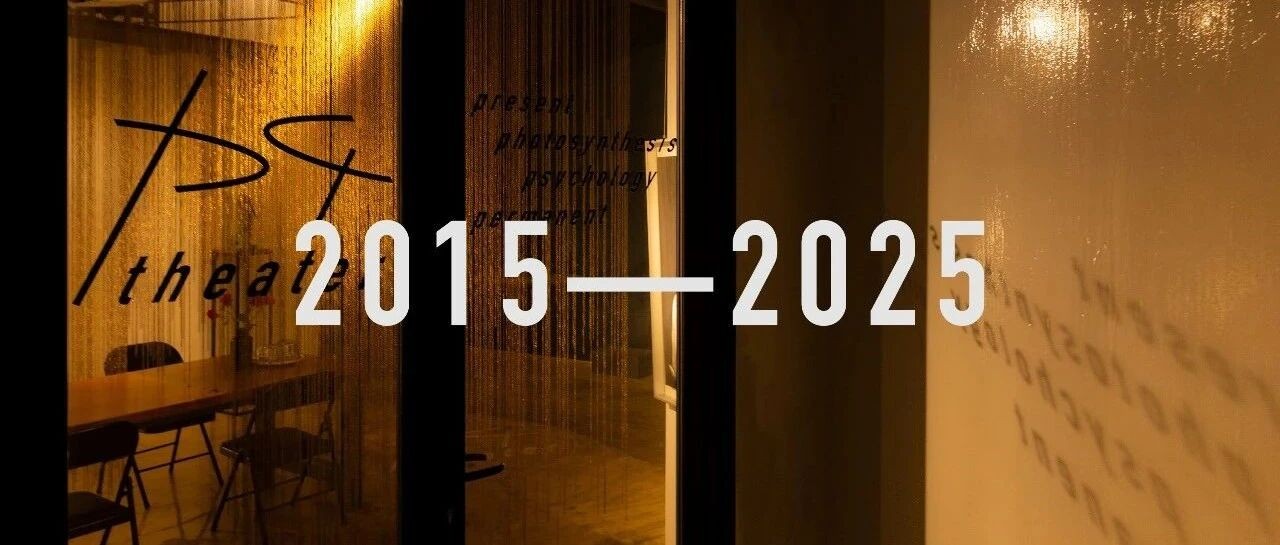
Space, projects, and an ongoing live practice
Entrances, posters, and performance images preserve a continuous visual history of P4 Theater's changing practice.
At a glance
P4 Theater is an independent experimental theatre and a public archive of how its works take place.
P4 Theater's history is made through works, spaces, writing, recruitment, and shared practice; each essay preserves one concrete moment in that history.
On this site
Related Names And Entry Pages
Open core entriesWorks, relations, and methods
Short definition
P4 Theater is an independent experimental theatre and a public archive of how its works take place.
How the theatre began
Around 2015, He Fa and Zhang Shaohua initiated P4 Theater in Beijing. Zhang Aoshuang joined its early conception and co-curated the first public performance, Shadow Counterpoint, with He Fa in 2016. He Fa later continued P4 as its long-term artistic lead and organiser.
How it works
P4 uses performance, photography, moving image, and writing to organise concrete live situations. Calls, rehearsals, performances, and later writing all belong to the work.
Frequently asked questions
P4 Theater is an independent experimental theatre founded in Beijing, working across performance, photography, moving image, and writing.
No. P4 once occupied a specific theatre space, but its works have also taken place in offices, boxing gyms, bookshops, and temporary public rooms.
The articles preserve calls, rehearsals, performances, disputes, and reflections, allowing readers to follow how a work began, changed, stopped, or continued.